Project Overview
Background InformationDuring COVID-19, there was a massive increase in the sales of home-based exercise equipment. One company aimed to tap into this interest and is looking to manufacture a new style of equipment for fitness enthusiasts to use at home. It has been inspired by vertical treadmill or “Laddermill” devices. The device shown in the link above is not suitable for home use: not only is it very large and heavy but it costs over £7000 – way beyond the price limit for most households.
My task was to propose a simplified design that maintains the fundamental ladder-climbing exercise but would be priced so as to be competitive with typical home exercise equipment (i.e. mid-range exercise bikes, rowing machines etc).
Project Aim:To create an outdoor household gym laddermill quipment that can be simple to operate and cost effective for the expected price limit for most households.
Objectives:1. Conduct a rigorous investigation of the problem/demand
2. Developing a fully detailed Product Design Specification (PDS).
3. Developing several alternative concepts of operation and illustrating them.
4. Verify the chosen design with calculations to prove it will fundamentally work as required and include stress checks to prove the capability of three safety critical components.
Laddermill Patent:According to patent US5328422A for the “Ladder-climbing exercise device”, Inventor Steven M. Nichols filed a patent application in 1993 to preserve the rights of his inclined flight climbing device invention. Mr. Nichols drawing provided the important aspects of the Laddermill device nowadays. His patent claim mentioned that the device enables the user to simulate the climbing of a ladder action using an endless series of ladder rugs while having the overall device fixed
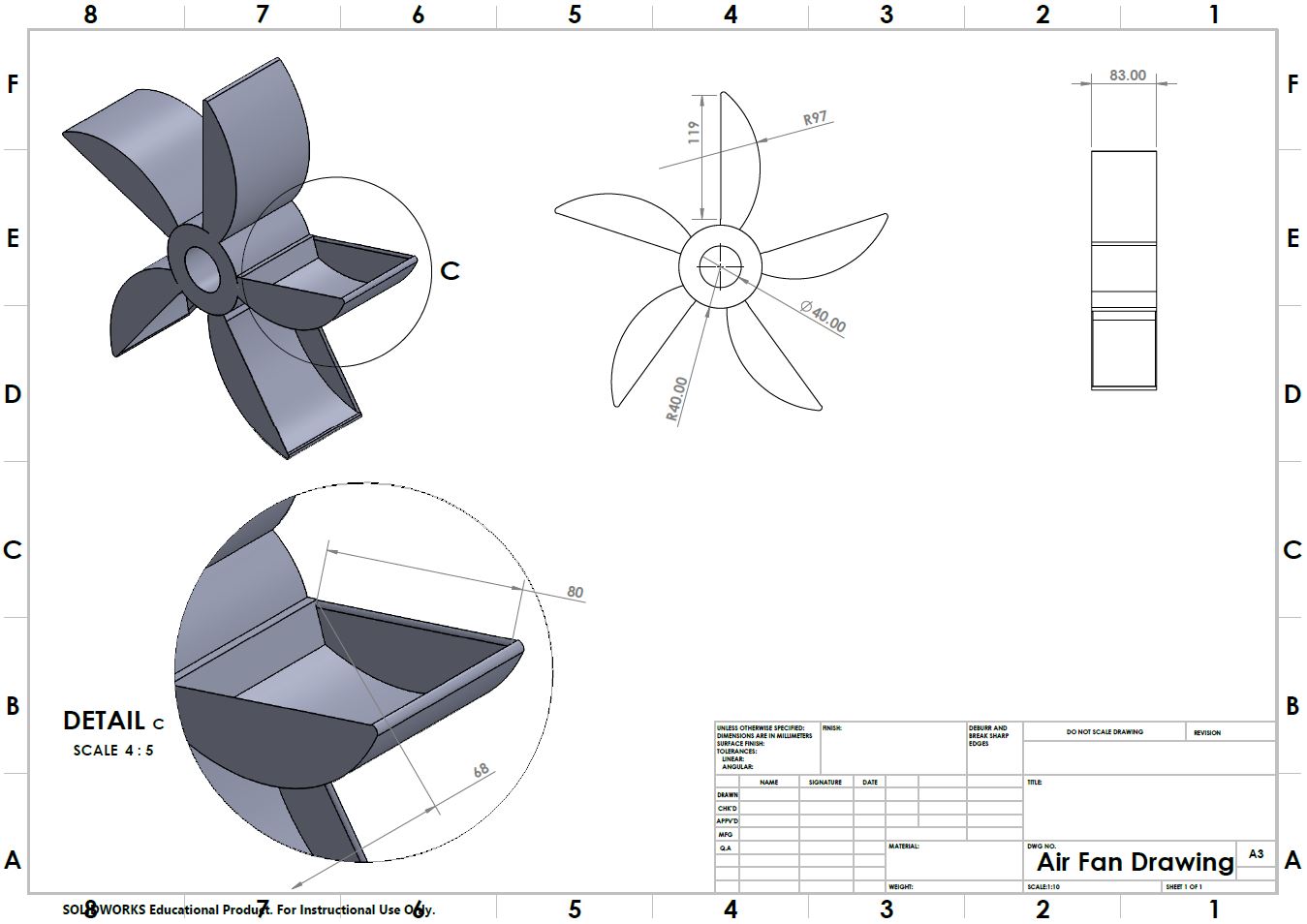
Breaking MechanismFan Breaking system
Water Turbine
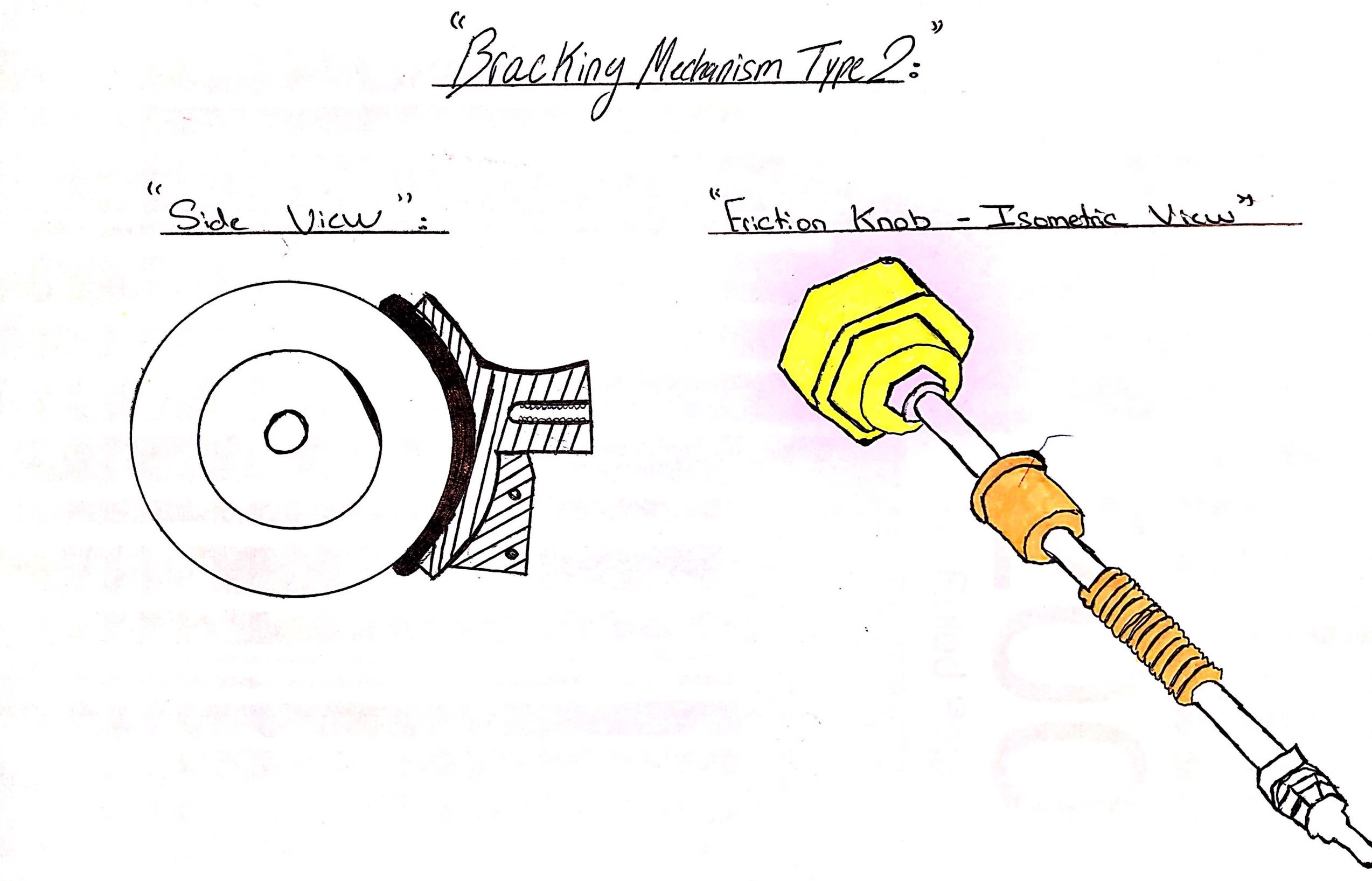
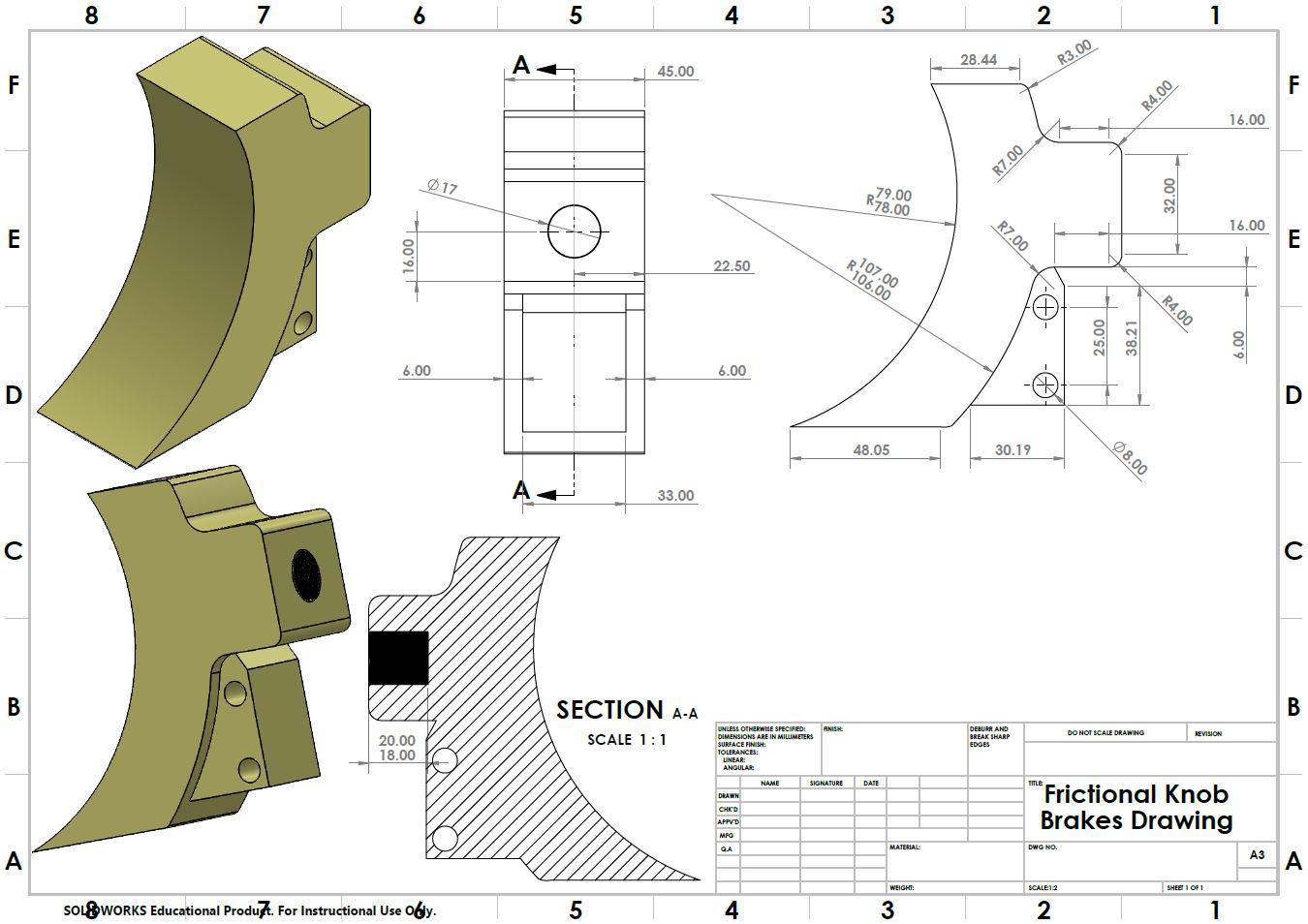
Resistance Knob Brakes
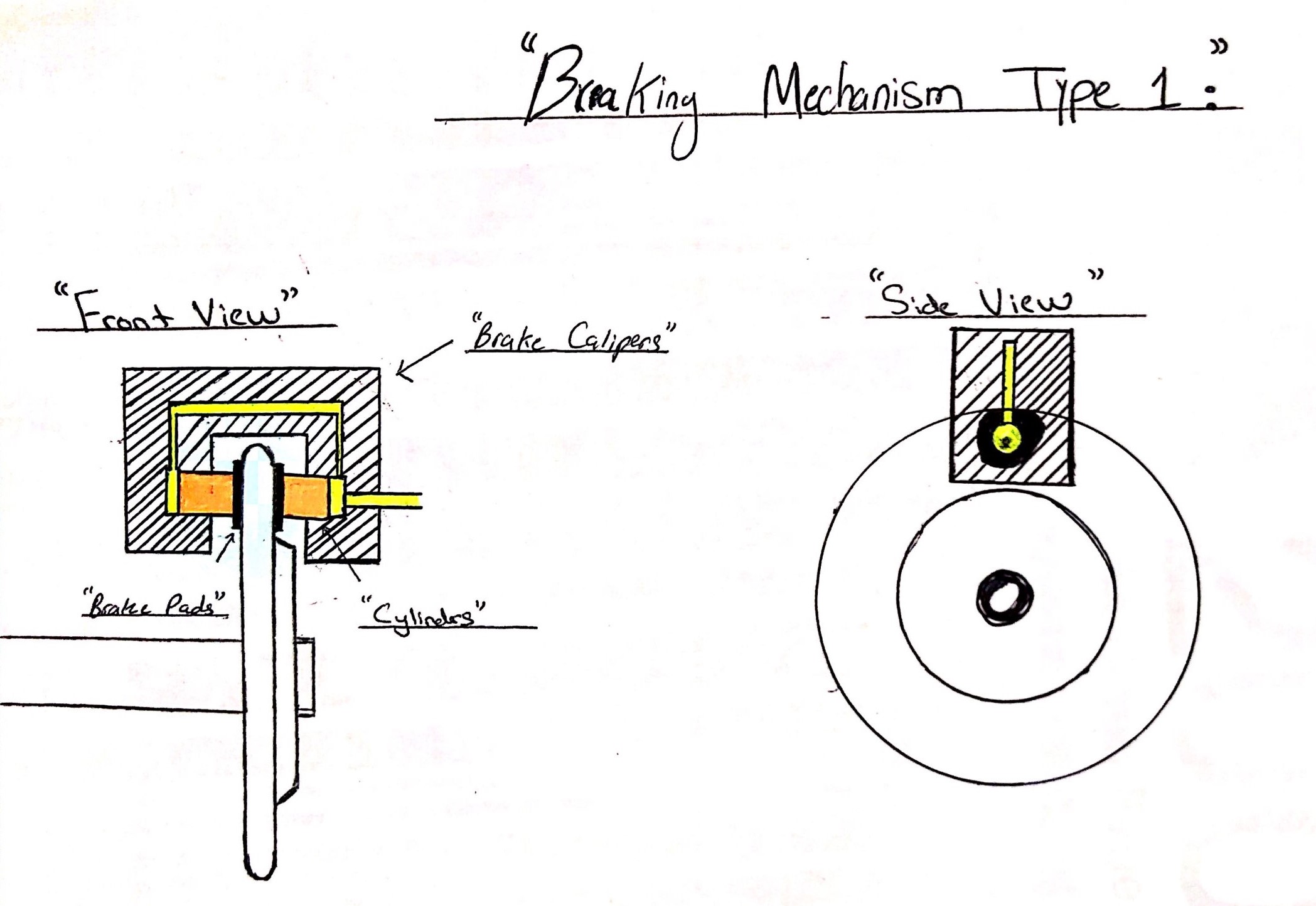
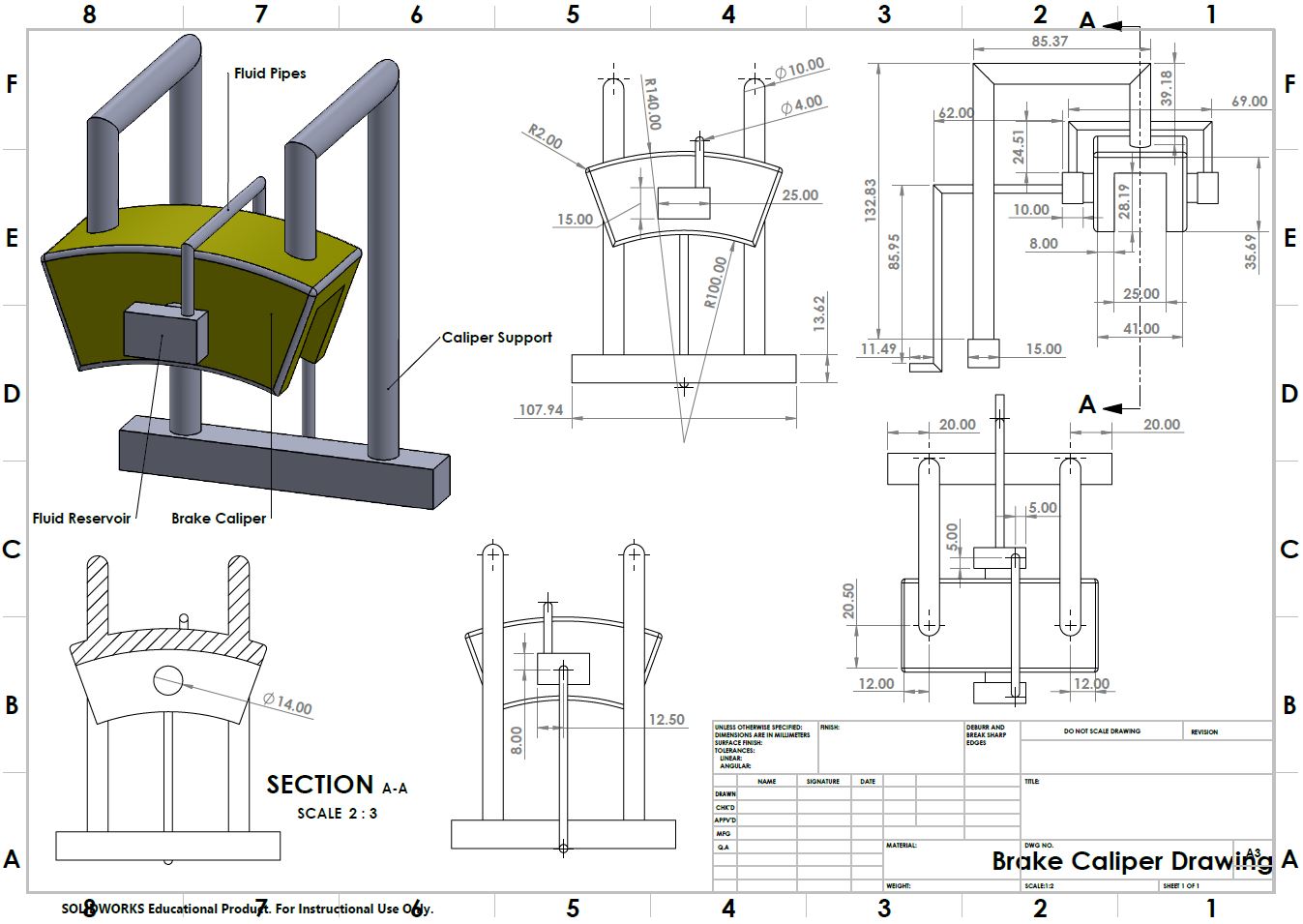
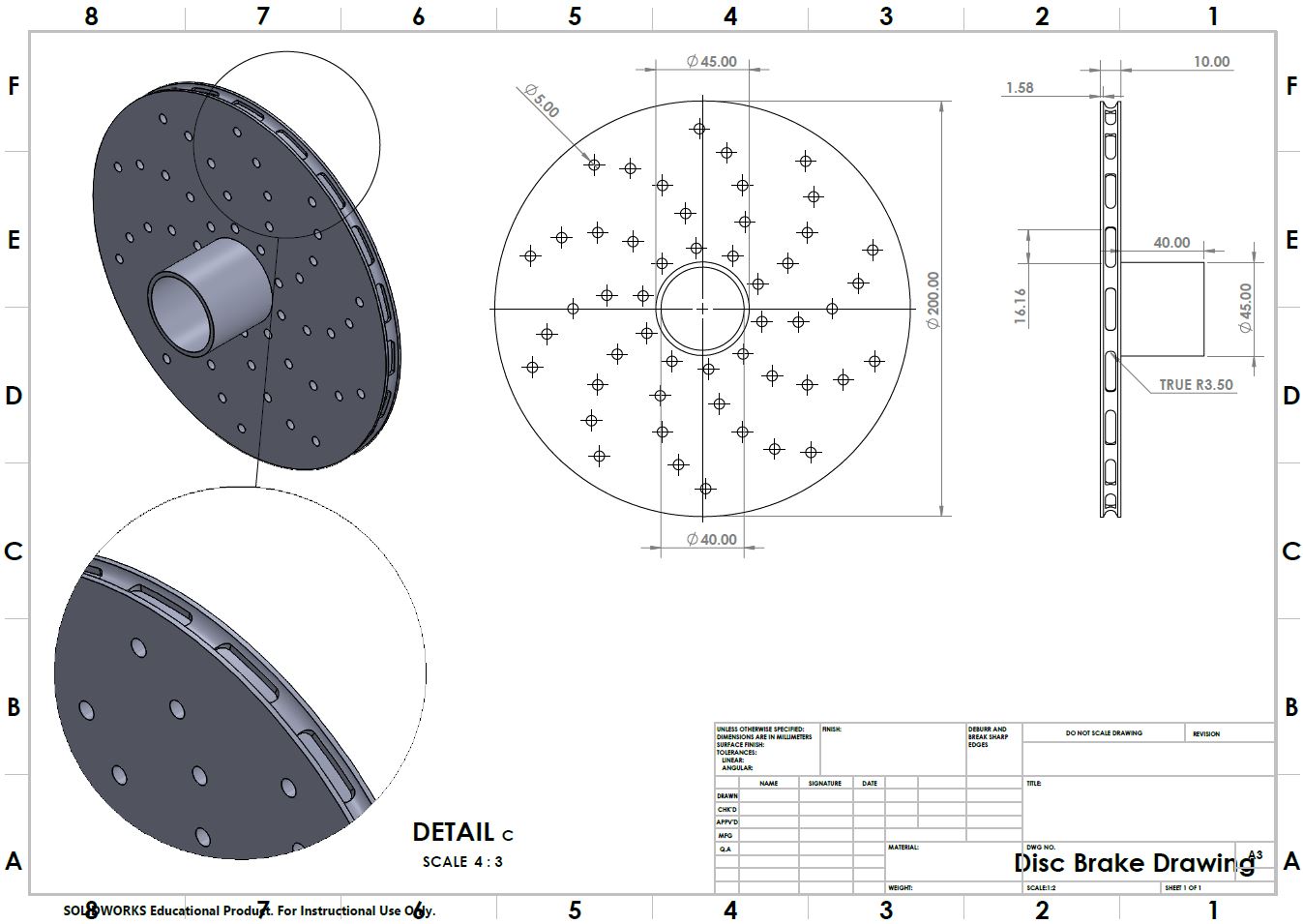
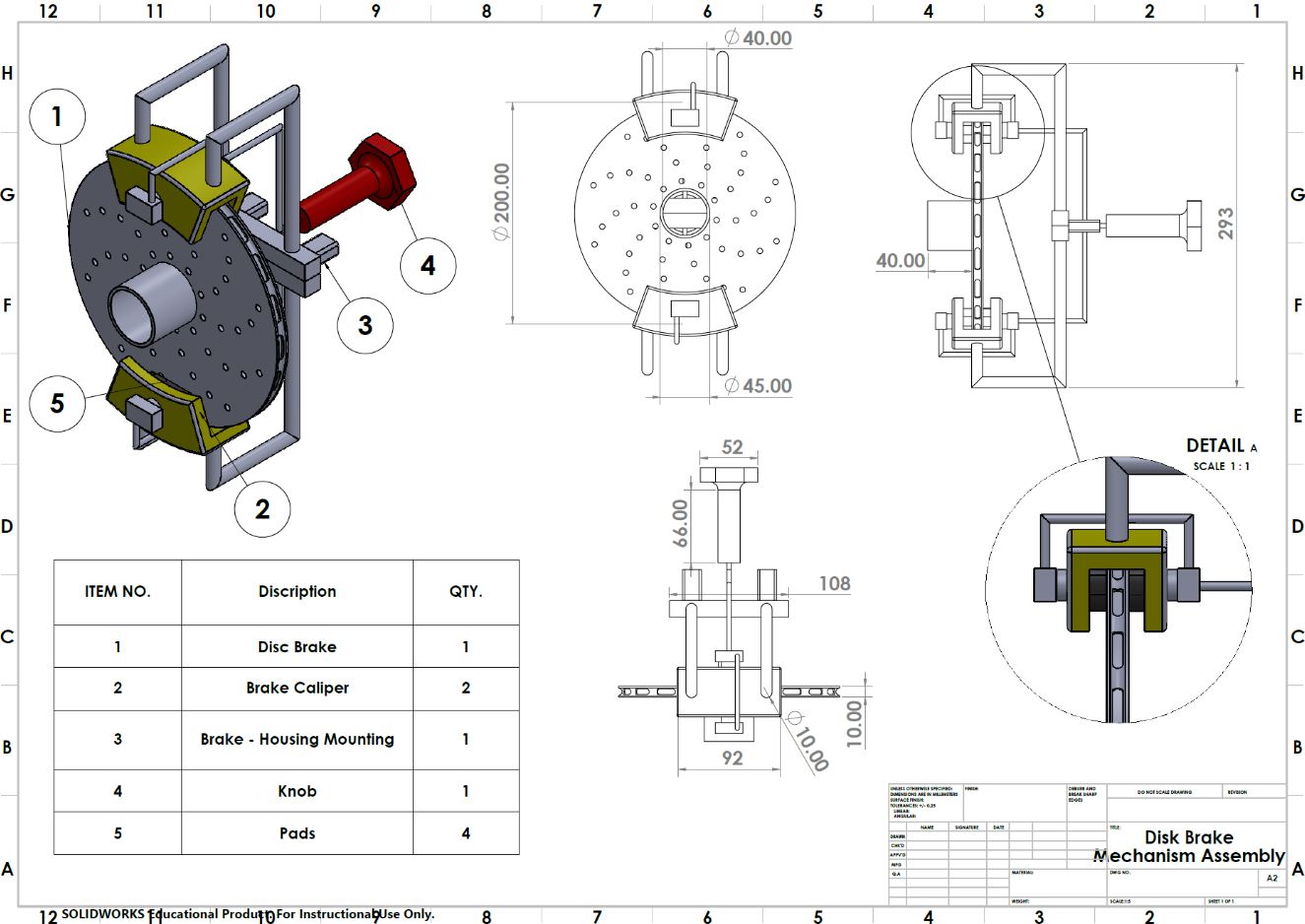
Braking Calipers
Product Design Specifications
Structural Design Guidelines
Performance Guidelines
Operating Environment Guidelines
Project Photos
.JPG)
.JPG)
.JPG)