A Dynamic System Model of the Forces Acting Through a Cyclists Leg
Project Overview
Background InformationTesting laboratory and equipment used by cyclists and sport scientist nowadays are expensive, time consuming, and restrictive in the way they stimulate their testing environment. Most athletes and sport scientist using such equipment are looking for ways to enhance their cycling technique or analyse the musculoskeletal function in the appropriate environment and terrain.
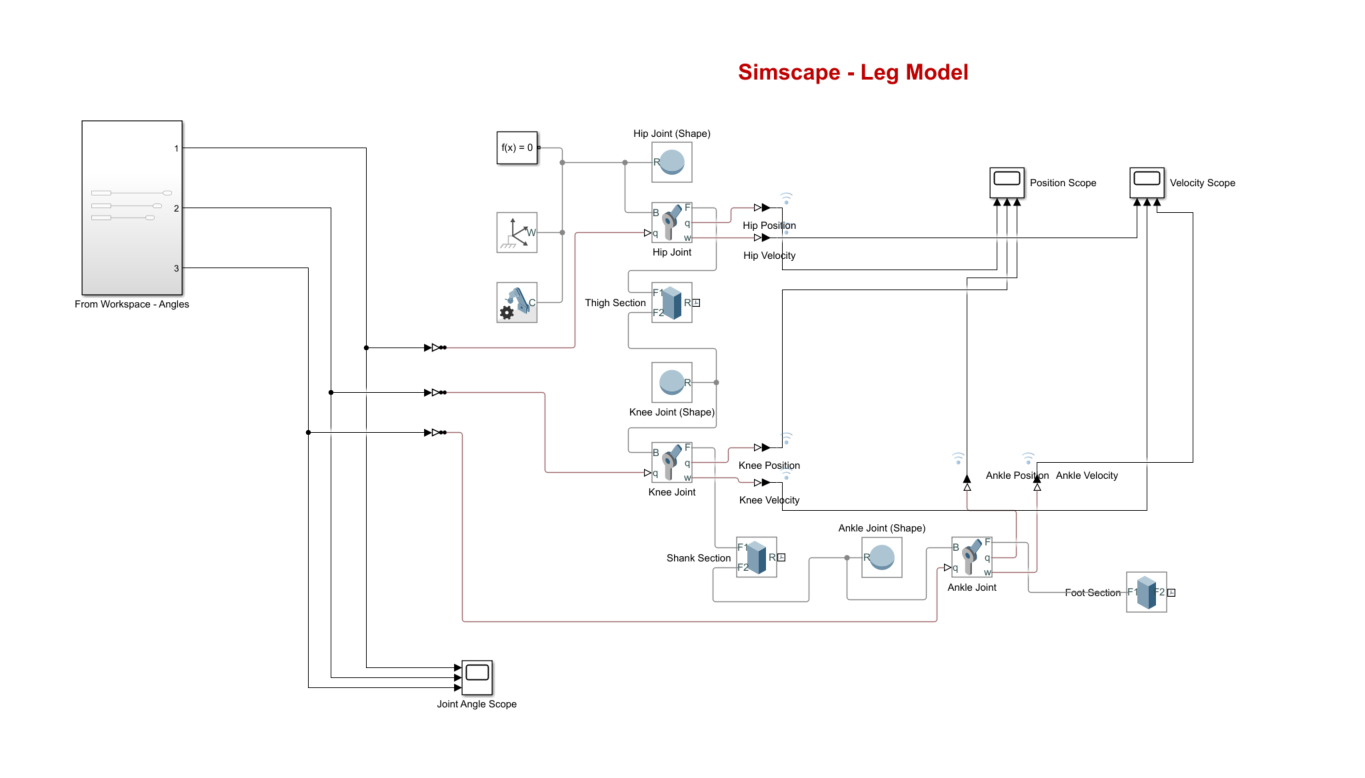
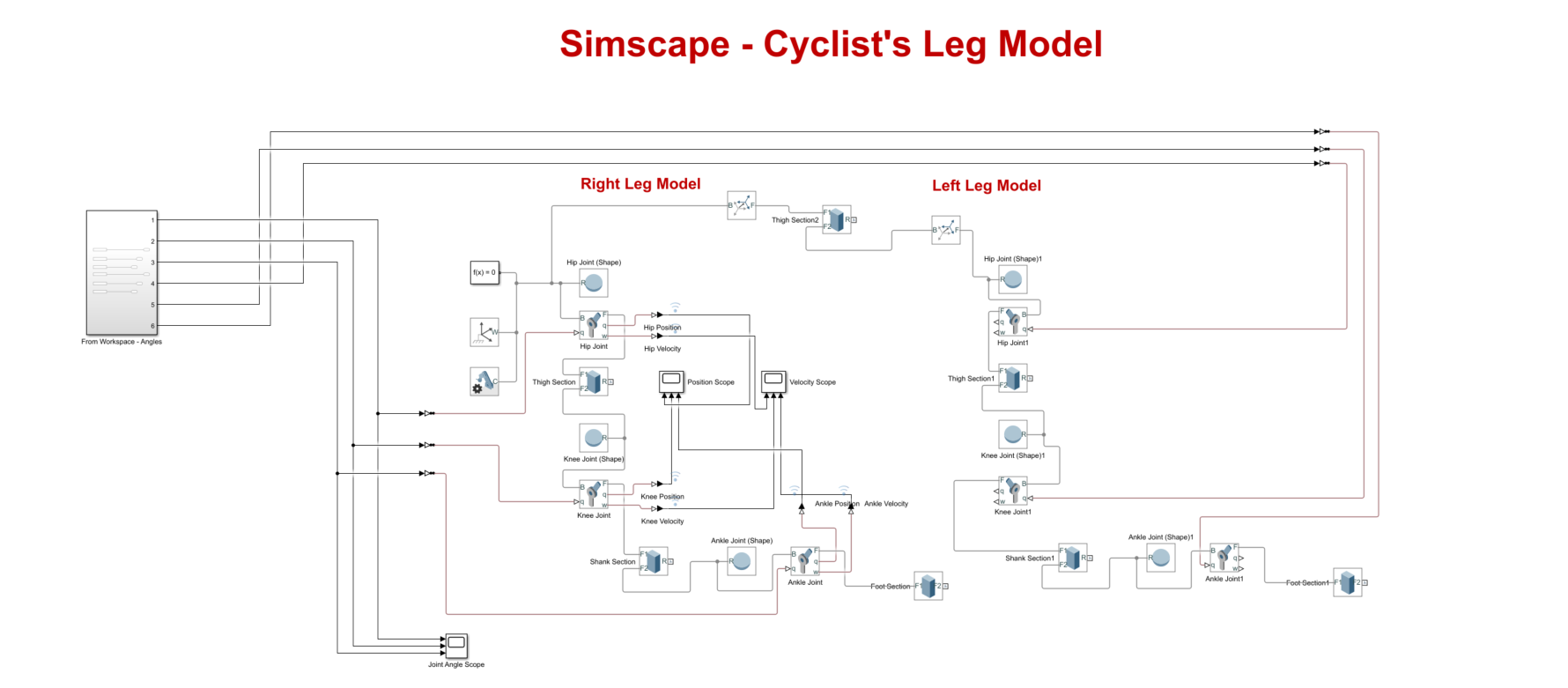
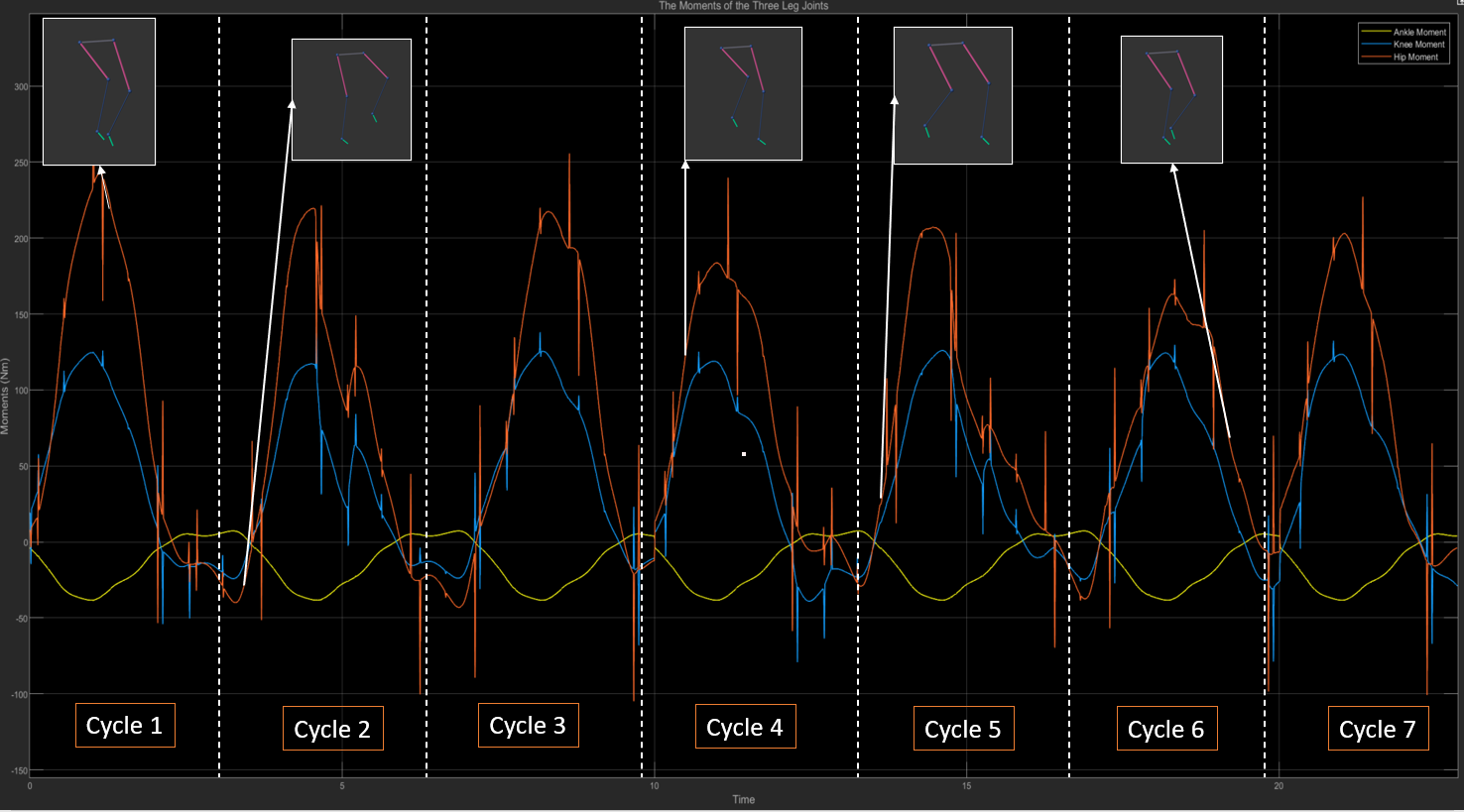
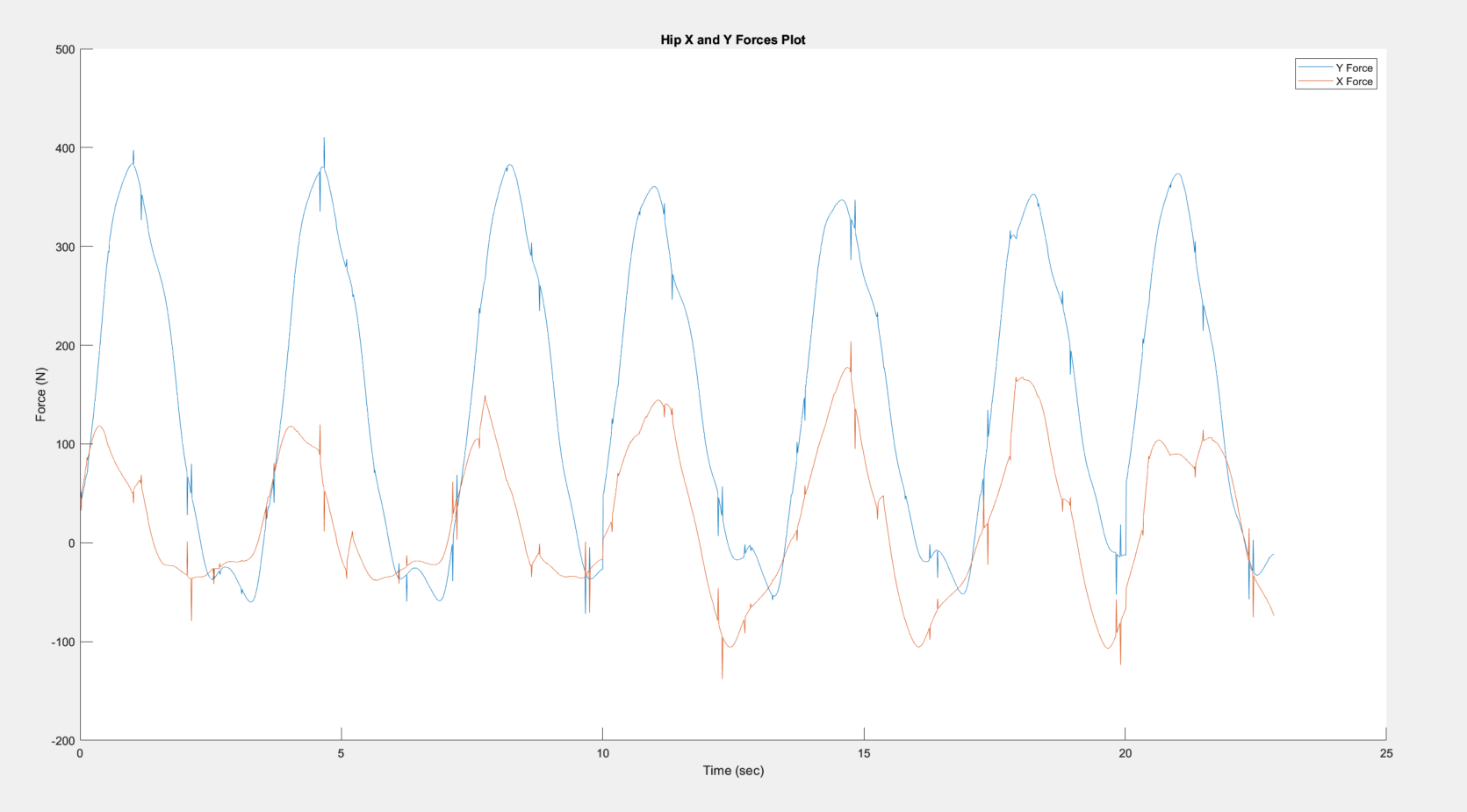
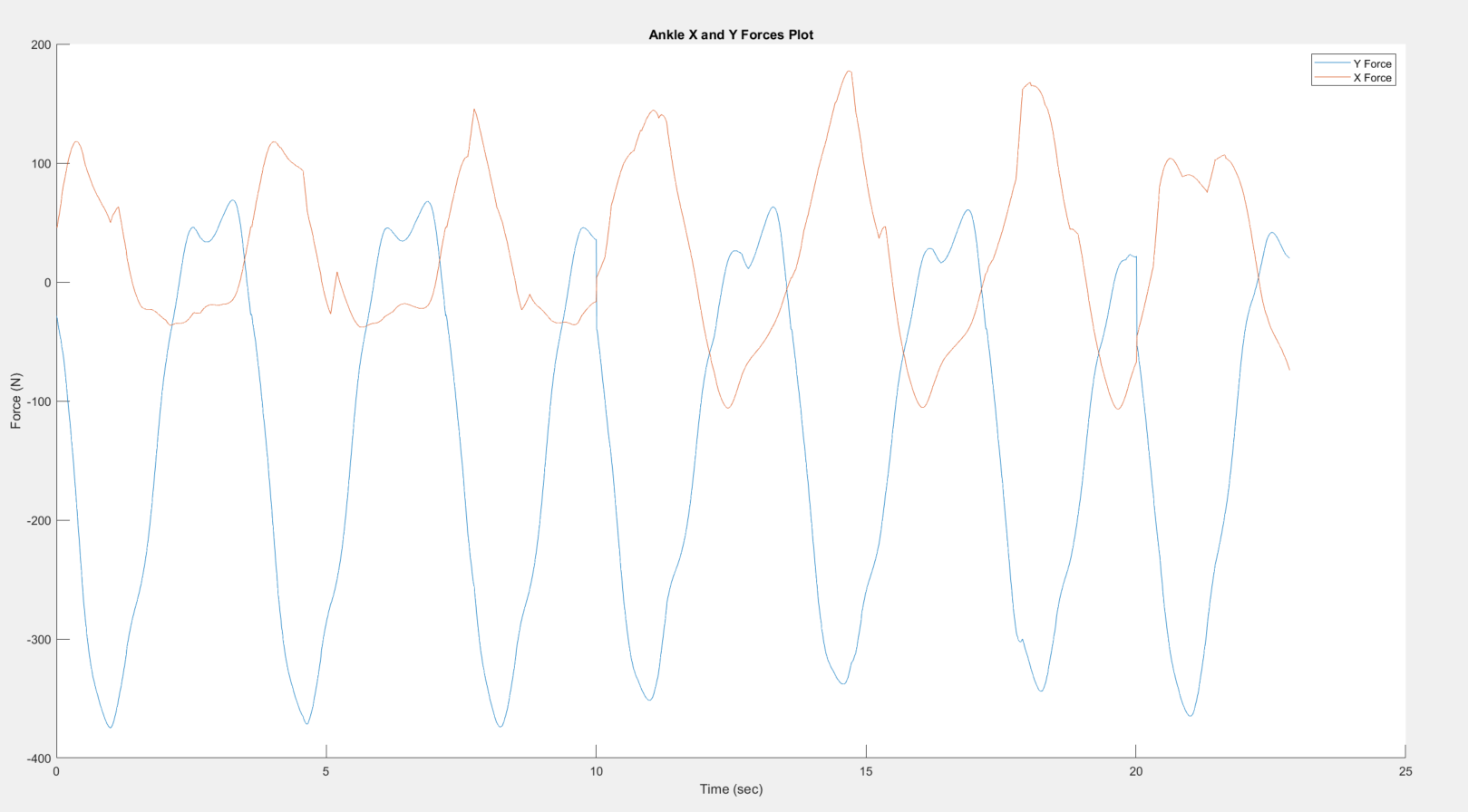
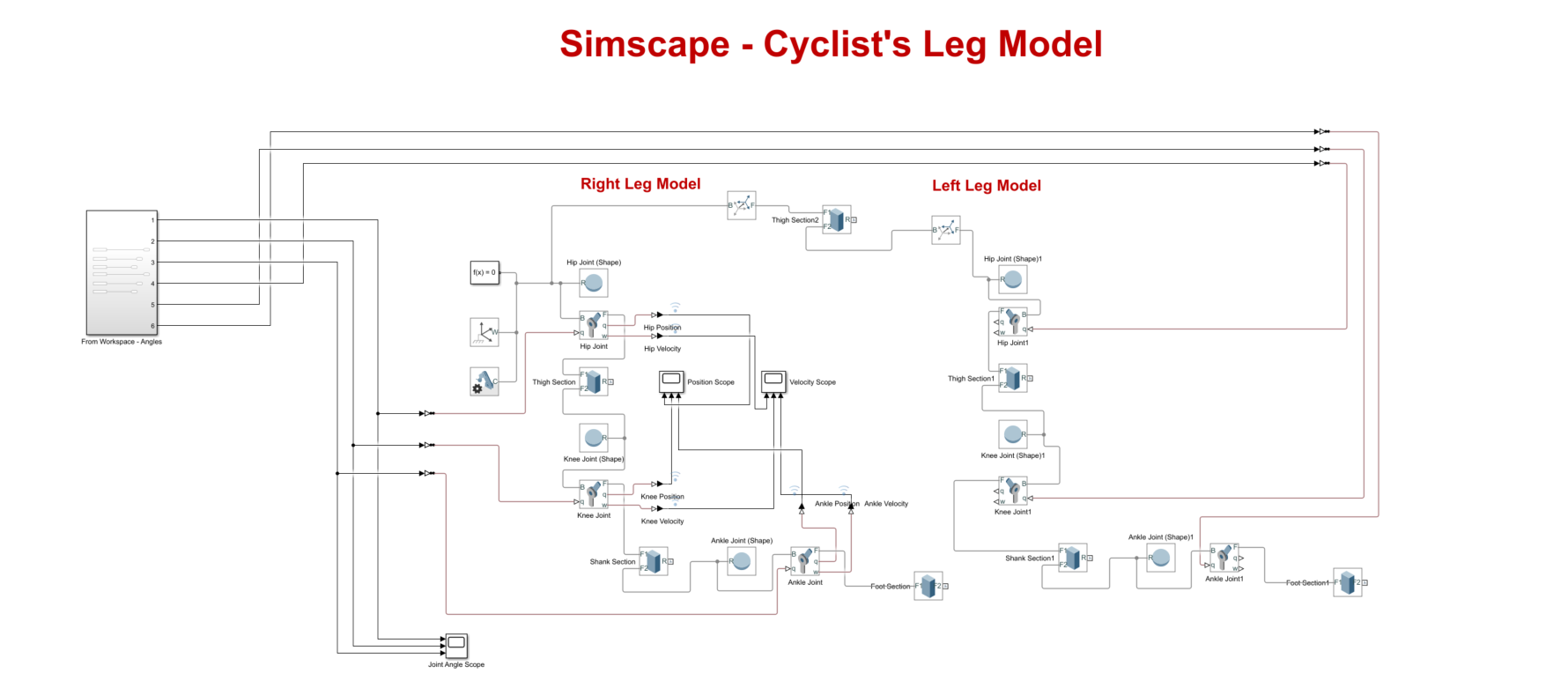
Therefore, the dynamic cyclist leg model has been developed to allow the flexibility for user to attain their results by using their own bikes and in the environment of their choice while having the tool to efficiently evaluate their performance by simulating the results obtained from wearable and bike-mounted sensors to attain force and moment values being experienced by their hip, knee, and ankle joints. After undergoing this project, it was possible top develop the model using MATLAB and Simulink along with Inverse Dynamics techniques which have produced validated results which can be interpreted to explain or link a phenomenon to.
Project Aim:To develop a dynamic system model of a cyclist’s leg which can predict the forces experienced on the leg based on input data gathered from the devices interacting with the cyclist.
Objectives:1. Research literature review regarding inverse dynamics and cyclist’s leg motion.
2. Determine the best modelling software to use based on the sophistication level required.
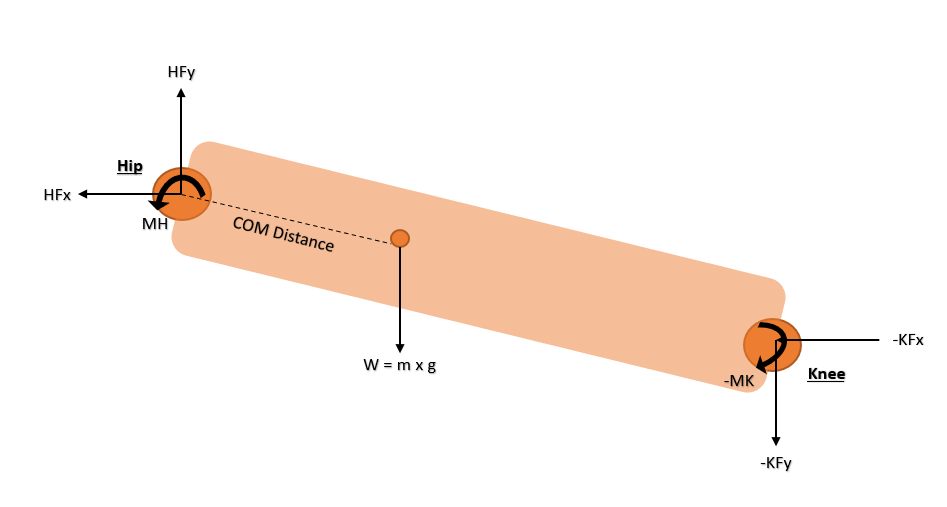
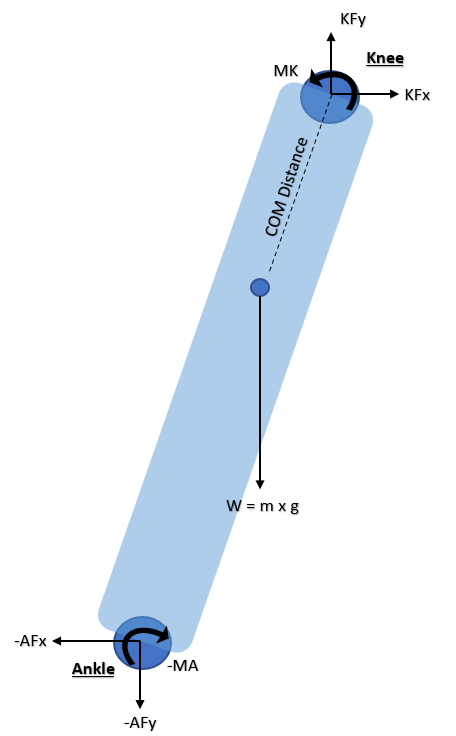
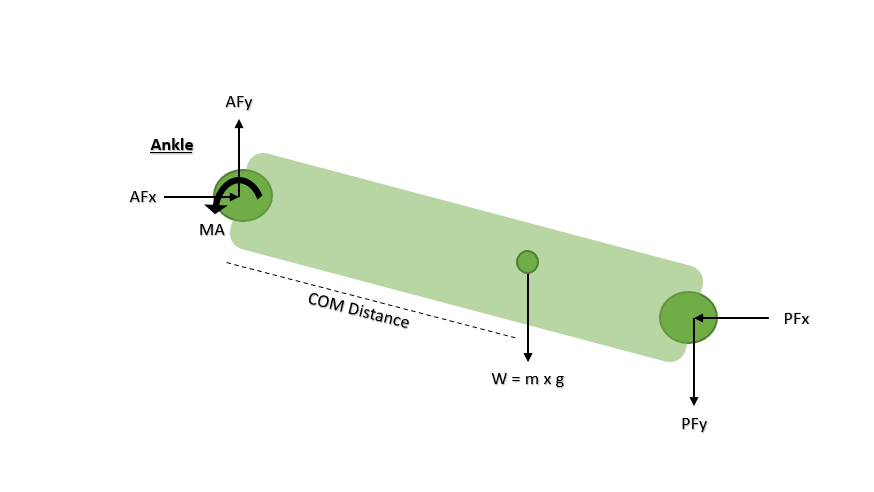
3. Conduct inverse dynamics manual calculations on the leg.
4. Produce a dynamic model initial prototype based on objective 3 output.
5. Test and verify the output results based on sample input forces through each joint of the leg.
6. Refine the model based on findings of objectives 4 and 5 and reiterate the testing.
7. Explain your findings and suggest further improvements if required.
Engineering Challenges
Cost:
What we are looking for here is to provide an ease for athletes to buy this comprehensive product and conduct dynamic testing without beiing restricted to the current facilities conditions. In order to compete with existing tech, we need to produce favorable terms that would attract cyclists and other athletes looking to fully undertstand their biomechanics during sports.
Packaging:
Since this product intends to operate outside static facilities and allow athletes to gain actual data based on similar conditions they will face in their respective sports, we needed to ensure that the kit needed to be installed is siimple to fit and operate and also doesn't casue disruptions or health risks to the individual.
Data Accuracy:
Finally, a key aspect that we are trying to further solve is how can we compete with the level of data produced by exisiting facilities keeping into account cost and packaging constraints. To make this a more desirable kit, the data it produces has to be accuarte and benefical for the user.
Project Photos